

Flying Soon? TSA Lines Could Be Longer Than Your Flight
 Leah HenryMarch 23, 20263 Mins read739
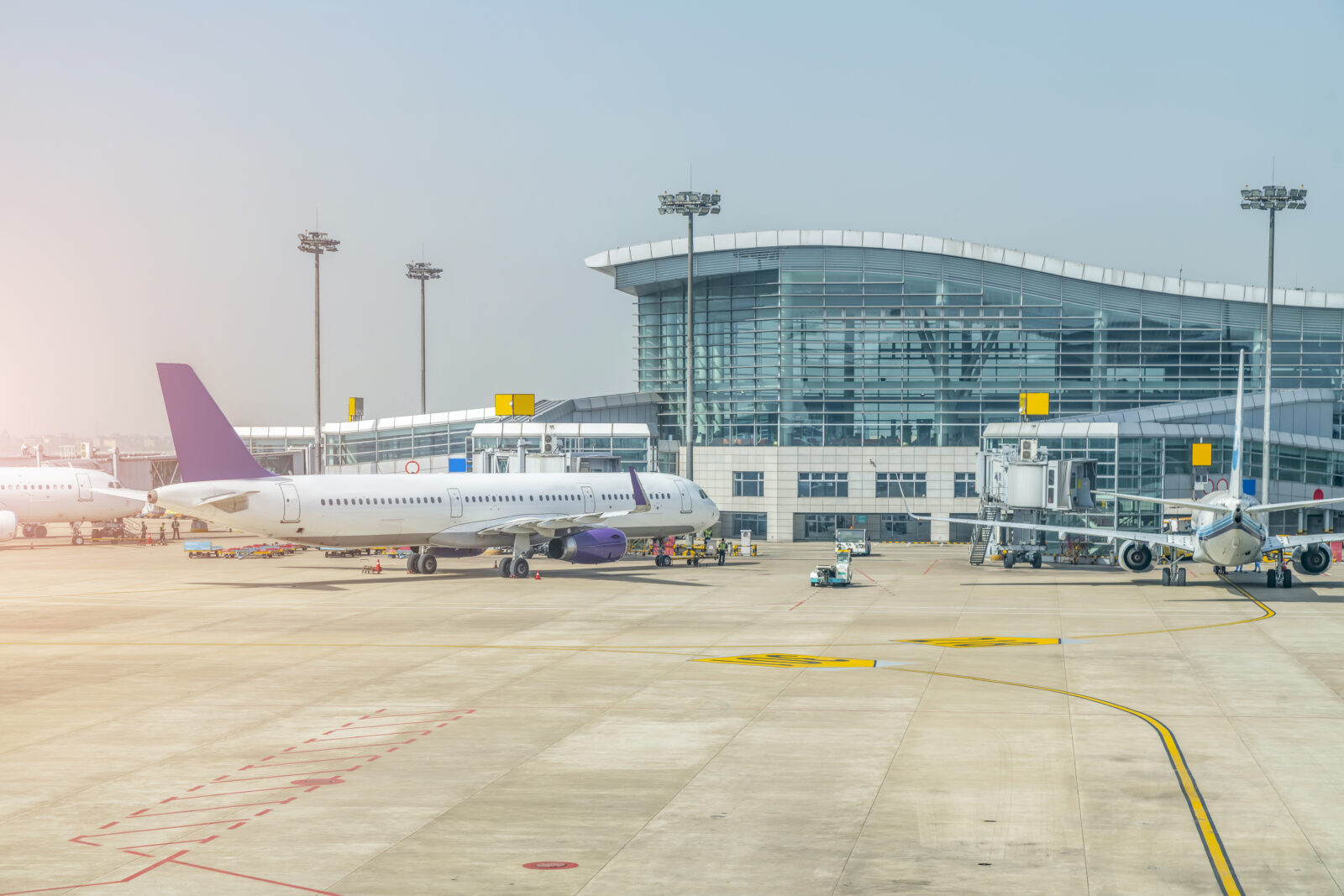
Travelers heading to the airport this week are being urged to plan ahead and arrive significantly earlier than usual, as security delays continue to impact airports across the country. At Baltimore Washington International Thurgood Marshall Airport, officials recently issued a warning advising passengers to arrive at least three hours before their scheduled departure due to longer than normal checkpoint wait times.
The advisory reflects a growing nationwide issue tied to staffing shortages within the Transportation Security Administration. These shortages have led to longer lines, slower screening processes, and increasing frustration among travelers trying to catch flights on time.
According to recent reporting, the delays are largely connected to an ongoing funding dispute affecting the Department of Homeland Security. As a result, TSA officers have been working without pay for weeks, prompting some employees to leave their posts or call out, which has reduced the number of available staff at security checkpoints.
A Strain on Airport Operations
The TSA plays a critical role in screening passengers and ensuring safety across the nation’s airports. When staffing levels drop, the ripple effects are immediate and visible. Fewer agents mean fewer open lanes, which leads to longer lines and extended wait times for passengers.
At some of the country’s busiest airports, travelers have reported waiting hours just to get through security. While the Washington region has not experienced the worst of the delays, BWI saw a noticeable surge in wait times over the weekend, prompting officials to issue their travel advisory.
The timing could not be worse. With spring travel picking up and more people taking trips, airports are experiencing higher passenger volumes on top of reduced staffing. The combination has created a perfect storm for congestion.
ICE Officers Begin Assisting
In response to the growing strain, federal officials have begun deploying Immigration and Customs Enforcement officers to assist at airports. The goal is to relieve pressure on TSA agents and keep operations moving as efficiently as possible during the staffing shortage.
These officers are not replacing TSA agents but are instead supporting certain functions within airport operations. Their presence is intended to allow TSA officers to focus more on screening passengers and baggage, which is their primary responsibility.
Still, the move has sparked concern from some officials and union leaders. Critics argue that ICE agents are not specifically trained in aviation security, raising questions about how effective the support will be in addressing the root of the problem.
Despite the debate, the deployment underscores how serious the situation has become. Federal agencies are stepping in to fill gaps in real time as delays continue to grow.
What Travelers Should Expect
For passengers, the message is clear. Expect longer lines, allow extra time, and prepare for potential delays. Even travelers who are used to breezing through security may find themselves waiting much longer than usual.
Arriving three hours early, especially for domestic flights, is now being recommended at several airports, including BWI. This extra buffer can help reduce the risk of missing a flight due to unexpected delays at the checkpoint.
Travelers are also encouraged to check their airline’s app or airport updates before leaving home. Some airports provide real time wait estimates, which can help passengers better plan their arrival.
Patience will also be key. TSA officers and airport staff are working under challenging conditions, and many are continuing to report for duty despite not receiving pay during the funding impasse.
A Larger Issue Still Unresolved
While temporary measures like deploying ICE officers may help ease some of the pressure, the broader issue remains unresolved. Until funding for the Department of Homeland Security is restored, staffing challenges are likely to continue.
The situation highlights how critical TSA workers are to the overall travel experience. When staffing levels are stable, most passengers move through security with minimal delays. When those levels drop, the entire system slows down.
For now, airports and federal agencies are doing what they can to manage the situation, but travelers should be prepared for continued disruptions.
The Bottom Line
If you are flying in the coming days or weeks, planning ahead is essential. Give yourself extra time, stay informed, and be ready for longer than usual waits.
What might normally be a quick trip through security could take significantly longer, especially during peak travel hours. At airports like BWI, officials are making it clear that arriving early is not just a suggestion, it is a necessity.
As the situation continues to evolve, one thing remains certain. Air travel is still moving forward, but it is requiring more patience and preparation than usual.






Croix Is the Rooftop You’ve Been Waiting On
Golden hour, Buzzard Point. The Douglass Bridge lit up on one side,...
 MVEMNT Staff1 Mins read

DC Made a New Law to Stop Ticket Resellers
The new rule limits how much extra people can charge to resell...
MVEMNT Staff1 Mins read

From $130 to $1,800: What the New Student Loan Payment Rules Mean for You
Scroll through social media this week and you’ll find a familiar kind...
MVEMNT Staff3 Mins read

She Learned to Brew in That Building. Now She Owns It.
Urban Garden Brewhouse is DC’s first Black woman-owned brewery, and founder Eamoni...
MVEMNT Staff2 Mins read





Leave a comment