

From Instagram Hair Recipes to Retail Reality, Cardi B Introduces Grow-Good Beauty
 Leah HenryFebruary 18, 20262 Mins read15
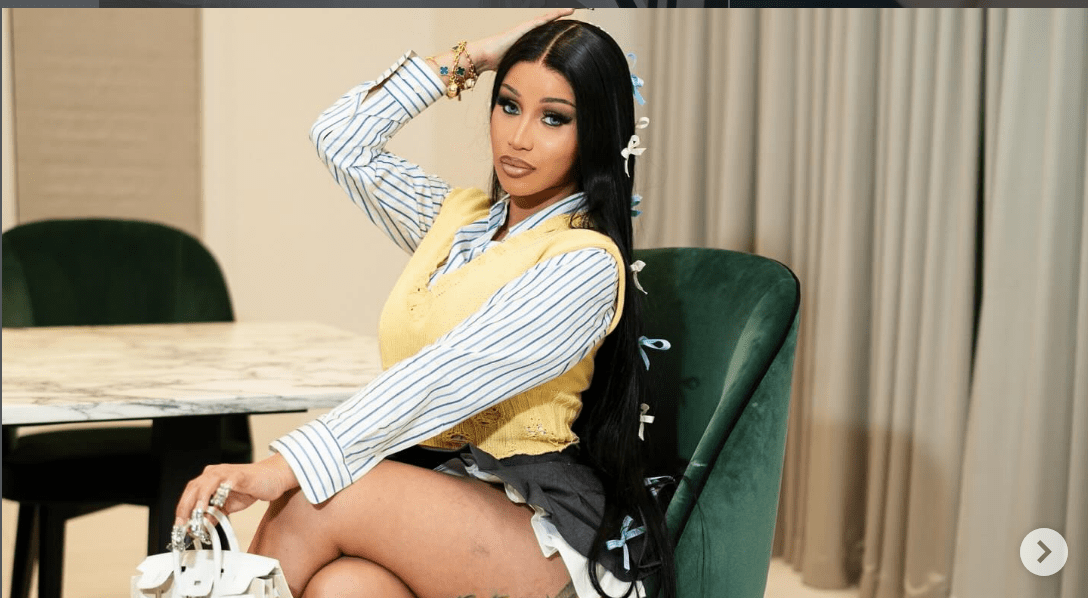
Before there was a logo, a rollout plan or a spring launch date, there was Cardi B in a robe, parting her hair on Instagram and talking to millions of followers like they were cousins sitting on the edge of her bed.
Long before Grow-Good Beauty became a formal brand announcement, Cardi had already been deep in product development. She just called it trying things on her own hair first.
For nearly a decade, fans have watched her document a deeply personal relationship with her natural hair in real time. Not in a glossy campaign, but through late-night Lives, kitchen-sink tutorials and unfiltered confessionals about breakage, heat damage and the emotional weight Black and Latina women often carry around the idea of “good hair.” She has been open about the fact that her current waist-length growth did not happen overnight. The journey stretches back to around 2016, when she stopped relying on random products and started experimenting on herself.
That DIY era became its own kind of beauty school.
There were the now-viral masks made from whatever was in the refrigerator. Avocado, egg, honey and oils were blended smooth so the mixture would not get stuck in her strands. She brought onion water rinses back into the conversation as a strengthening treatment. She showed protective styles, plastic-bag conditioning tricks, texture comparisons and brutally honest admissions about how she used to dislike dealing with her hair as a child.
It was not just content. It was research and development in front of an audience.
In an industry where celebrity beauty lines often appear fully formed, Cardi’s process has been unusually transparent. She told followers more than once that she would not reveal everything she used until she tested it on herself. Looking back, that reads less like teasing and more like a founder protecting her future formulas.
That distinction matters, especially for women who saw their own hair journeys reflected in hers.
Cardi did not sell perfection. She sold progress. She showed the awkward middle stages, the shrinkage, the density and the reality that length retention takes time. She pushed back against the idea that certain textures cannot grow and reminded her audience that the real issue is often access to the right care, not the hair itself.
So when Grow-Good Beauty was revealed as something she had been working on for three years behind the scenes, it did not feel like a sudden pivot. It felt like the paperwork finally catching up to what the timeline had already shown.
In a market crowded with celebrity haircare, her advantage is not just her reach. It is the archive. The receipts are still on her page. The growth photos, the homemade treatments and the trial and error all live there.
Fans did not just watch her promote a result. They watched her build it.
That is why the brand makes sense. Not because another celebrity entered the beauty space, but because this one allowed the audience to sit in the lab with her, even when the lab was a blender on a kitchen counter.
Photo Credit: @iamcardib Instagram



More Than a Movement: How Rev. Jesse Jackson Shaped the Politics and Soul of the DMV
The Reverend Jesse Louis Jackson died peacefully on Tuesday morning, February 17,...
Leah Henry5 Mins read

New Study: Gen Z Would Rather Do This Than Have Sex….
Once upon a time, bedtime meant one of three things: sleep, sneaky...
Leah Henry3 Mins read
Jordan Madison of Therapy Is JAM Shares 5 Dating Tips for the DMV Ahead of Valentine’s Day
Valentine’s Day is for the lovers. But if you’re single, February 14...
Leah Henry4 Mins read
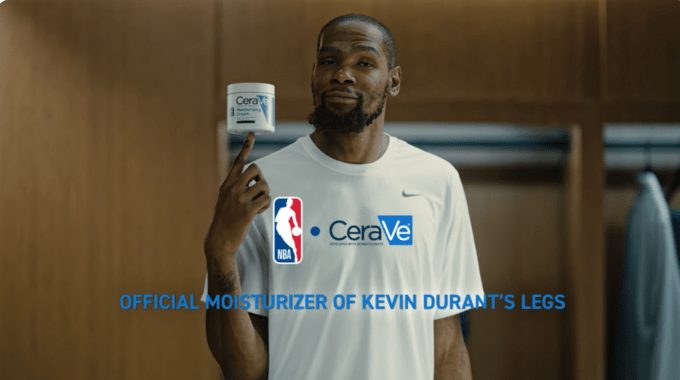
Jokes on You: Kevin Durant Turns ‘Ashy Legs’ Jokes Into a Check as the New Face of CeraVe
It is no secret that NBA legend and DMV native Kevin Durant...
Leah Henry2 Mins read





Leave a comment