
Op-Ed: Black Journalists Are Being Arrested for Reporting. Here’s Why You Should Care
 Leah HenryJanuary 30, 20263 Mins read905
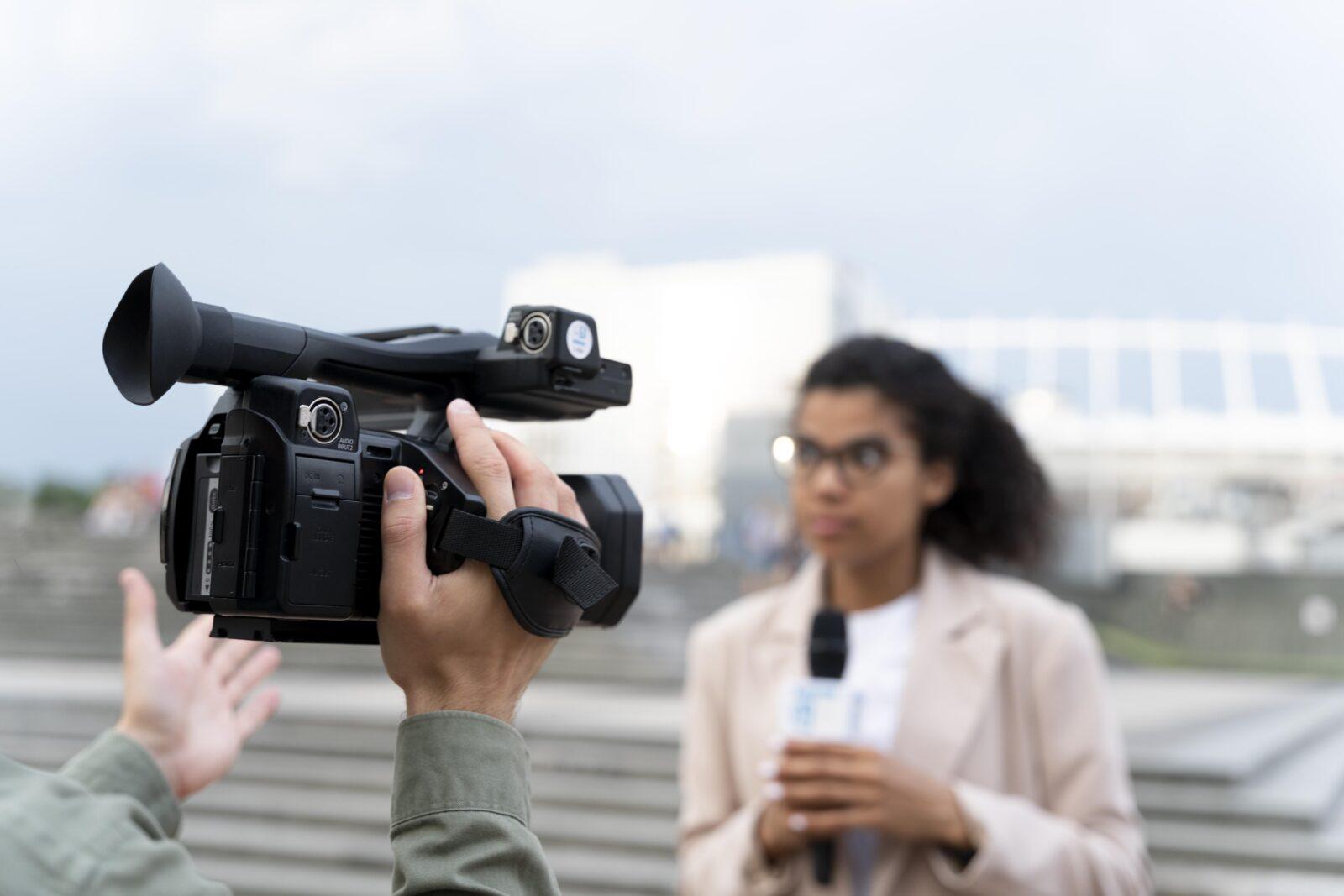
Over the past several days, headlines have quietly but alarmingly revealed a pattern that should concern anyone who believes in democracy, accountability, and the freedom of the press. Black journalists covering protests against Immigration and Customs Enforcement in Minneapolis have been arrested while doing their jobs. Among them are high-profile figures like Don Lemon, along with independent journalists and media workers such as Georgia Fort, Trahem Jeen Crews, and Jamael Lydell Lundy.
These arrests did not happen in a vacuum. They occurred amid heightened protests against ICE and growing public outrage over immigration enforcement tactics. Journalists were present to document what was unfolding in real time, to provide transparency, and to inform the public. That is the role of the press. When journalists are arrested for fulfilling that role, it signals something much larger and far more dangerous.
What makes this moment particularly troubling is who is being targeted. Black journalists, especially those working independently or for Black-owned outlets, appear to be bearing the brunt of these actions. These are reporters who often cover stories that mainstream outlets overlook or arrive late to. They report from the ground up, centering marginalized voices and communities most impacted by policy decisions. Silencing them is not just an attack on individual journalists. It is an attack on the public’s right to know.
The United States prides itself on the First Amendment, with freedom of the press positioned as a cornerstone of democracy. That freedom is meaningless if it only applies selectively. When journalists can be detained or arrested simply for documenting protests, particularly protests involving government agencies like ICE, the message is clear. Certain stories are not meant to be told, and certain reporters are not meant to tell them.
At the same time, public outrage has surged over claims that late-night host Jimmy Kimmel’s show was muted or interfered with by the Trump administration. Many people have rightly called this an attack on free expression. But that same energy has been noticeably absent when Black journalists are arrested while reporting in the field. If the silencing of a powerful television host sparks national concern, then the arrest of reporters on the ground should spark even more.
This disparity in outrage reveals an uncomfortable truth. Press freedom is often defended most loudly when it affects white, wealthy, or highly visible figures. When Black journalists are targeted, especially those outside of legacy media institutions, the response is muted. That silence is dangerous. It creates a precedent where the erosion of constitutional rights begins on the margins and slowly works its way inward.
History shows us that democratic backsliding rarely starts with sweeping, obvious changes. It begins with small, targeted actions that test how much the public will tolerate. Arresting journalists at protests is one of those tests. Doing so while denying or downplaying the reality of those arrests only deepens public mistrust and confusion.
The arrests in Minneapolis should serve as a wake-up call. Not just to journalists, but to everyone who consumes news, posts opinions online, or relies on the press to hold power accountable. If reporters cannot safely document protests today, what happens tomorrow when they attempt to investigate police misconduct, immigration abuses, or government corruption?
Black journalists have long been on the front lines of telling uncomfortable truths in this country. From civil rights reporting to modern-day protest coverage, they have documented history as it happens. Targeting them now signals a broader attempt to control narratives and suppress dissent.
This is not about politics or party lines. It is about protecting the basic rights that underpin a free society. When the press is intimidated, democracy weakens. When the intimidation disproportionately affects Black journalists, it exposes whose voices are deemed expendable.
People should care about these arrests not because they are fans of the journalists involved, but because the precedent being set affects everyone. A free press cannot exist if it is only free for some.
Photo Credit: Image by freepik




Croix Is the Rooftop You’ve Been Waiting On
Golden hour, Buzzard Point. The Douglass Bridge lit up on one side,...
 MVEMNT Staff1 Mins read
DC Made a New Law to Stop Ticket Resellers
The new rule limits how much extra people can charge to resell...
MVEMNT Staff1 Mins read
Ranked Choice Voting Explained Using Your Favorite Artists
Voting is tomorrow, June 16th, and D.C. is doing something it has...
MVEMNT Staff2 Mins read
Afro Plus Fest Is Turning the DMV Into a Festival Economy Powerhouse
“We were raised in this county. This one’s for the people who...
MVEMNT Staff1 Mins read



Leave a comment