

Hiring Slows as Layoffs Rise, What This Means for Black America
 Leah HenryFebruary 6, 20263 Mins read20
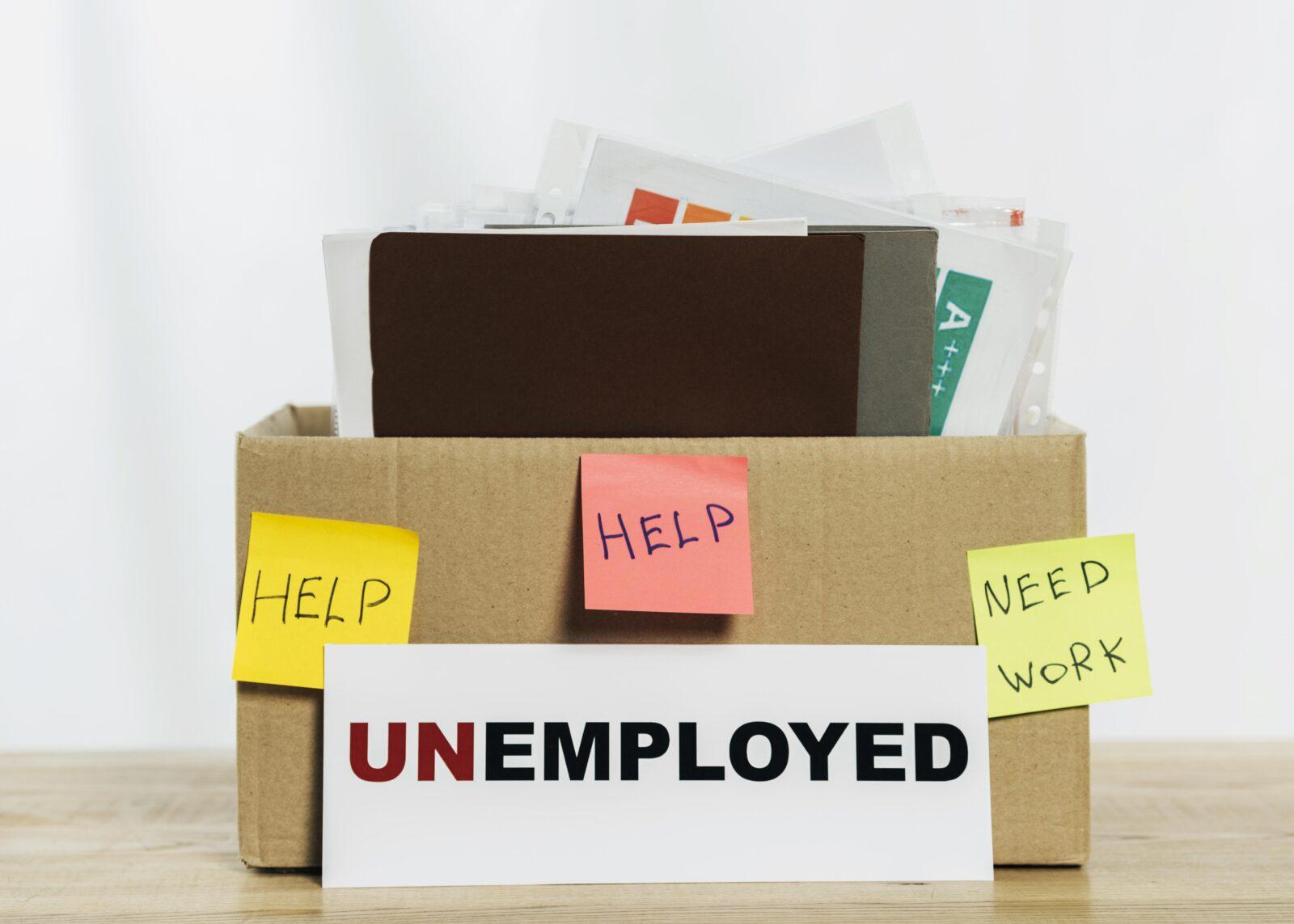
New data released this week show the U.S. labor market is facing real challenges as 2026 begins. Employers nationwide announced a surge in layoffs in January, while hiring plans slowed to record lows. For Black and Hispanic workers, who historically face higher unemployment and greater job insecurity, the trends are especially worrying.
According to a report from private outplacement firm Challenger, Gray & Christmas, U.S. companies announced 108,435 planned layoffs in January. That number is the highest total for the start of any year since 2009, when the economy was still recovering from the Great Recession. The figure more than doubled the layoffs announced in December and was roughly 118 percent higher than January of last year. Major employers including Amazon and UPS were among the firms announcing the largest number of cuts.
The transportation sector accounted for a large share of these layoffs, with UPS outlining plans to eliminate up to 30,000 positions amid changes in its delivery contracts. Technology companies also played a major role, with Amazon saying it will cut about 16,000 corporate roles as part of a broader restructuring. Healthcare, chemicals, finance, and other industries also reported significant layoffs as companies cited lost contracts, economic pressures, and internal restructuring among the reasons for cutting staff.
At the same time, hiring intentions fell to just 5,306 announced jobs for January, the lowest total ever recorded for that month in Challenger’s tracking history. A separate payroll report from ADP found private-sector employers added only about 22,000 jobs in January, well below expectations and concentrated largely in education and health services. Many other major sectors showed weak or negative gains.
This combination of rising layoffs and sluggish hiring paints a labor market that is less dynamic than it has been in recent years. Although the official Bureau of Labor Statistics report for January has been delayed due to a partial government shutdown, analysts say early indicators point toward modest job growth at best, and uneven labor demand overall.
For Black and Hispanic workers, these broad trends underscore persistent structural challenges in the U.S. job market. Historically, Black unemployment rates have been higher than the national average, and periods of economic weakness often widen that gap. A recent report found that Black unemployment climbed from around 6.2 percent in early 2025 to about 7.5 percent by the end of the year, while Black youth experienced even steeper swings in joblessness. If employment patterns had held steady, analysts estimate roughly 260,000 more Black adults would be working, including around 200,000 prime-age Black women. The decline in federal employment also hit Black workers especially hard since they are overrepresented in government roles that once offered stable jobs with good wages and benefits.
Another analysis published earlier found tens of thousands of jobs held by Black women were eliminated over just a few months in 2025, driving up unemployment and highlighting the uneven impact of layoffs across demographic groups. Experts and community leaders say that mass layoffs at large corporations, along with cuts to federal jobs, have amplified these disparities in recent quarters.
Hispanic workers have also faced labor market challenges, often concentrated in sectors like construction, hospitality, and agriculture that are sensitive to economic shifts. Prior employment data showed that Hispanic workers made up a disproportionate share of layoffs in earlier years and faced higher turnover rates than White workers. While exact racial data for the 2026 layoffs is not yet available, these longer-term patterns suggest that downturns in hiring and spikes in job cuts tend to affect Black and Hispanic workers more deeply.
For many workers across communities of color, the layoffs and weak hiring come against a backdrop of slower job growth nationwide. Employers added significantly fewer jobs in 2025 than in the previous year, and job openings fell to the lowest level since the post-pandemic period, according to federal labor data. This drop in vacancies means fewer opportunities for those looking to switch jobs or enter the workforce for the first time.
Economic uncertainty also shows up in rising claims for unemployment benefits, which climbed in late January to levels not seen in recent months. Although overall claims remain historically moderate, the upward trend suggests that layoffs and reduced hiring are beginning to influence workers’ financial stability and confidence.
Economists differ on how to interpret these developments. Some say the layoffs mainly reflect cautious corporate planning and adjustments after rapid hiring in earlier years. Others warn that persistent employment weakness can slow consumer spending, increase financial stress for families, and deepen racial disparities that have long shaped labor market outcomes.
For Black and Hispanic job seekers, the current environment may require resilient strategies for finding work. With hiring subdued and layoffs more frequent, transitions between jobs can take longer, and access to stable opportunities may be harder to come by. Many workers are opting to stay in existing roles longer, pursue additional training, or consider entrepreneurship and community-based employment paths.
As the U.S. labor market enters 2026 with slower momentum than many hoped, policymakers, employers, and advocates are watching closely to see how these trends play out — and what steps might help reduce the unequal impact of job losses across different communities.
Photo Credit: Image by freepik





Too Broke to Break Up: How the DMV’s Cost of Living Is Keeping Couples Together (For Better or Worse)
The math isn’t mathing, but the lease is still valid. That’s the...
 MVEMNT Staff3 Mins read

This Grocery Store Just Beat Publix and Costco for America’s Top Spot
Trader Joe’s is officially having a moment. According to the latest American...
Leah Henry2 Mins read

The Grammys Started Black History Month Right: The Night’s Best Black Moments
Last night marked music’s biggest celebration, the 68th Grammy Awards in Los...
Leah Henry2 Mins read

Op-Ed: Black Journalists Are Being Arrested for Reporting. Here’s Why You Should Care
Over the past several days, headlines have quietly but alarmingly revealed a...
Leah Henry3 Mins read





Leave a comment