

Before the Sales Surge, the DMV Made New Balance a Cultural Classic
 Leah HenryFebruary 25, 20262 Mins read17
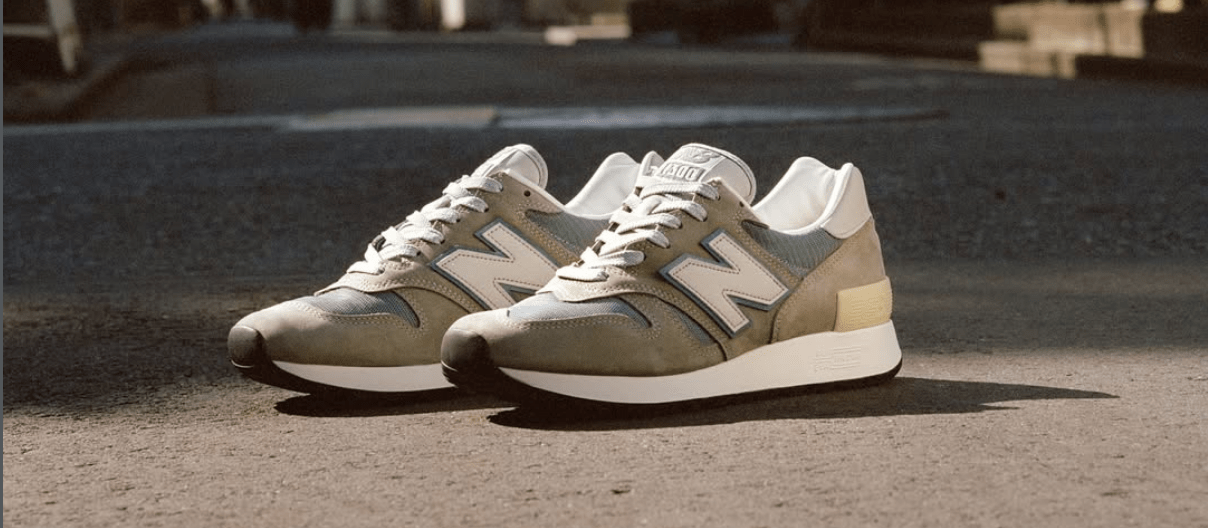
For decades the global sneaker conversation has started with Nike. In 2025, that script began to change.
Boston-based New Balance closed the year with a 19 percent surge in sales, reaching roughly $9.2 billion and delivering one of the strongest growth runs in the company’s history. The performance marked its fifth straight year of double-digit gains and confirmed what shoppers, stylists, and athletes have been signaling for a while. The definition of a must-have sneaker is expanding, and the power players are shifting with it.
The brand’s rise may feel sudden to the broader market, but in places like the DMV it reads as long overdue. For years, New Balance has been a cultural staple in Black communities across Washington, D.C., Maryland, and Virginia. Long before fashion insiders declared retro runners the new luxury casual, the shoes were already a go-to for everyday style. They showed up on go-go stages, in school hallways, at cookouts, and on city blocks where comfort and presence mattered more than hype cycles. Clean pairs worn with intention became part of the regional uniform.
That history gives the current boom a different kind of meaning. What the industry now calls a trend has been a local classic for decades.
Much of the company’s recent success comes from resisting the urge to flood the market. While competitors chased constant viral drops, New Balance focused on product consistency, controlled distribution, and craftsmanship. Familiar silhouettes return with thoughtful updates instead of complete reinventions, which keeps longtime customers locked in while inviting new ones into the fold.
The strategy has helped reposition the brand across generations. The same sneaker can be spotted on a marathon runner, a college student, and a fashion editor during fashion week. It moves easily between performance and lifestyle, which is increasingly what consumers want from their closets.
Executives have emphasized long-term brand health over short-term hype. That means fewer markdowns, stronger storytelling around fit and quality, and expanded direct relationships with shoppers through retail and digital platforms. The result is growth that feels steady rather than inflated.
Viewed over a longer timeline, the numbers are even more striking. Since 2020, New Balance has added billions in annual revenue and is edging closer to the $10 billion mark. That trajectory has transformed it from an industry underdog into a serious contender for market share.
None of this erases the dominance of Nike, which still leads the global athletic footwear business and is working through a performance-driven reset. But the cultural momentum has shifted. Today’s shoppers are less interested in a single logo defining their style and more focused on versatility, comfort, and authenticity.
In the DMV, that authenticity has never been in question. The current wave simply mirrors what the region has known for years. The shoes that once moved quietly through Black neighborhoods as a symbol of effortless style are now being recognized on a global stage.
If the growth continues, 2025 will be remembered as more than a strong sales year. It will mark the moment when a brand rooted in performance and everyday wear proved it could lead the fashion conversation too, with the culture that carried it finally getting its credit.





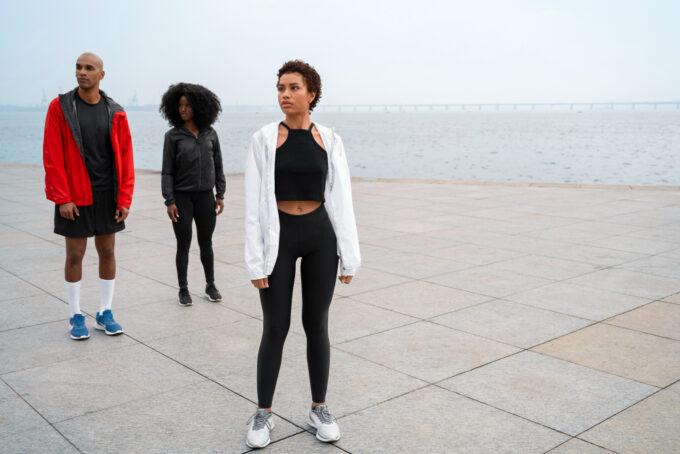
Walk Clubs Are the Best Thing You Can Do for Yourself This Spring
We told you run clubs were the new dating apps, and we...
 Jade Donovan2 Mins read
Why Gen Z Is Buying Devices to Block Their Own Social Media
For the generation that grew up online, logging off has become the...
Leah Henry2 Mins read
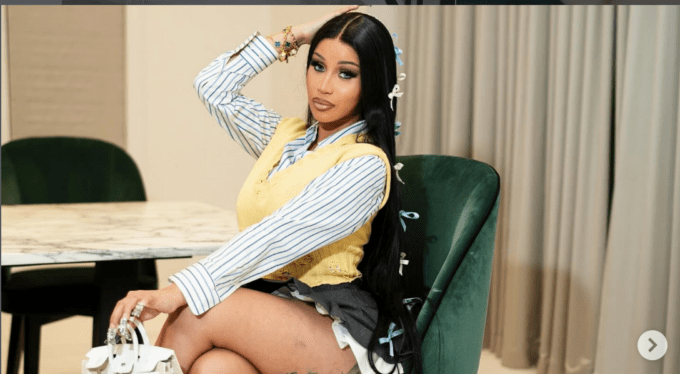
From Instagram Hair Recipes to Retail Reality, Cardi B Introduces Grow-Good Beauty
Before there was a logo, a rollout plan or a spring launch...
Leah Henry2 Mins read
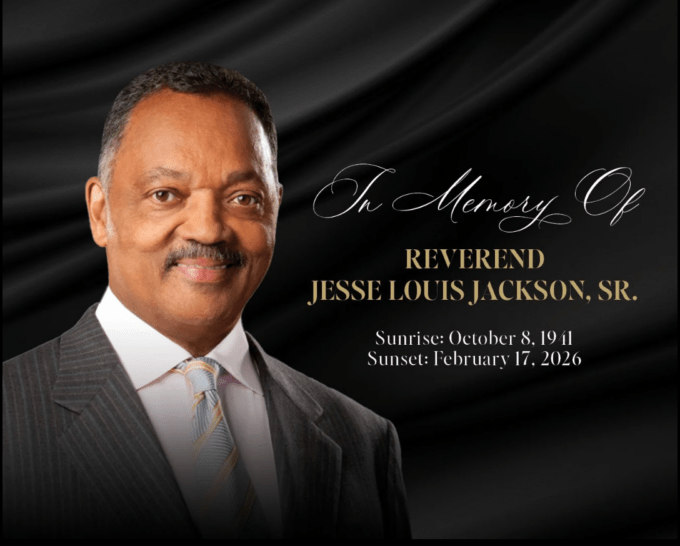
More Than a Movement: How Rev. Jesse Jackson Shaped the Politics and Soul of the DMV
The Reverend Jesse Louis Jackson died peacefully on Tuesday morning, February 17,...
Leah Henry5 Mins read





Leave a comment